accumulate
US /əˈkjumjəˌlet/
・UK /əˈkju:mjəleɪt/
C2
v.t./i.Verb (Transitive/Intransitive)To gather or acquire so that you have more of it
Betsy was able to accumulate extra hours at work during the holidays
Video subtitles
Why Are There Stones Along Railway Tracks?
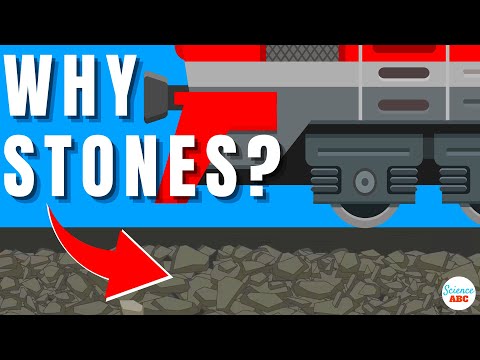
- Without it, water would accumulate on the tracks and cause rapid rusting of their metallic parts.
Without it, water would accumulate on the tracks and cause rapid rusting of their metallic parts.
- Without it, water would accumulate on the tracks and cause rapid rusting of their metallic parts.
Without it, water would accumulate on the tracks and cause rapid rusting of their metallic parts.
Genetic Engineering Will Change Everything Forever – CRISPR

- Huge changes are made as a result of the personal decisions of millions of individuals that accumulate.
Huge changes are made as a result of the personal decisions of millions of individuals that accumulate.
- that accumulate. This is a slippery slope. Modified humans could become the new
that accumulate. This is a slippery slope. Modified humans could become the new
Taiwan Presidential Candidate Hou on China Ties

- Let the trust between each other continue to accumulate and increase again.
Let the trust between each other continue to accumulate and increase again.
- Let the trust between each other continue to accumulate and increase again.
Let the trust between each other continue to accumulate and increase again.
Start a language from scratch (the natural way)

- So if you like the International Phonetic Alphabet, by all means, if you prefer reading, by all means, if you prefer reading grammar rules, by all means, do all those things that are going to keep you motivated, make sure you know why you're learning the language, make sure you know the kinds of activities that will keep you motivated, and as long as you remain active in the language, you are going to accumulate this sort of database of reference so that you can start inferring with more and more accuracy when you hear the language and when you go to use the language.
So if you like the International Phonetic Alphabet, by all means, if you prefer reading, by all means, if you prefer reading grammar rules, by all means, do all those things that are going to keep you motivated, make sure you know why you're learning the language, make sure you know the kinds of activities that will keep you motivated, and as long as you remain active in the language, you are going to accumulate this sort of database of reference so that you can start inferring with more and more accuracy when you hear the language and when you go to use the language.
- And as long as you remain active in the language, you are going to accumulate this sort of database of reference so that you can start inferring with more and more accuracy when you hear the language and when you go to use the language.
And as long as you remain active in the language, you are going to accumulate this sort of database of reference so that you can start inferring with more and more accuracy when you hear the language and when you go to use the language.
Why Brexit Failed the UK

- Unlike trade, the negative impacts of FDI are slow to accumulate.
Unlike trade, the negative impacts of FDI are slow to accumulate.
- Unlike trade, the negative impacts of FDI are slow to accumulate.
Unlike trade, the negative impacts of FDI are slow to accumulate.
Antimatter in Sci-Fi Rundown
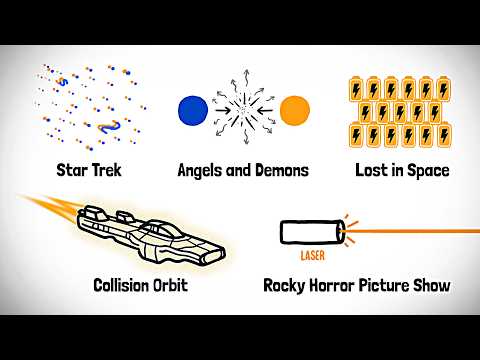
- We can accumulate about 20,000 atoms at once.
We can accumulate about 20,000 atoms at once.
- We can accumulate about 20,000 atoms at once. 20,000 atoms.
We can accumulate about 20,000 atoms at once. 20,000 atoms.
A Guide to Personalising Books *grangerising*

- That's a key theme when looking at 17th century literature and processes of reading, the idea of being active with what you're reading and kind of connecting to the book that you're reading. So even the act of stamping a book with an ex-libris stamp that has your name on it or your family crest traditionally. Frances Wolferston, for example, in the 17th century would write Frances, her book, in the front of her books. But there's a connection and there's an ownership to reading that which involves the reader and actually kind of physically puts the reader into the book. And that ownership, that connection definitely feels more valid and understandable considering how much rarer books were. I mean, books are still pretty expensive but when you compare the price to what it used to be, they are so, so, so affordable and they are affordable enough that, especially if we're shopping second hand, we can accumulate a lot of books. And so it kind of makes sense that we wouldn't then like customise all of our books and kind of write our names and all of our books in the same way. Though not to say that not everyone does because I do think the ex-libris stamp is making something of a comeback. But I just love how grangerising makes a book personal to you and the book itself then reflects and is testament to how much a book means to you. It kind of becomes this material marker in relation to you as the reader. It also bestows importance onto the physical object of the book as well as just the text. Like this book is significant because I bought this when I was 17 and I've read it four times since then and so it's kind of joined me in a very material way in many different life stages and it's kind of transcended time and moved with me which I think is absolutely beautiful. Effectively when you add your own illustrations, when you add tiny kind of snippets and annotations and thoughts, you're adding to the paratext of the book as well. And I think when we kind of frame it as a form of paratext, it kind of helps to even better frame like the importance of your personal copy to you as a reader. Paratext was kind of most officially and famously theorised by Jeannette in his book Paratext from 1987 and paratext is all of the stuff around the actual text. So this is the text and then the paratext will be like, you know, the four words or in this book there's quotes at the beginning from Stephen Hawking. There are dedications, there are words of thanks, you've got the information about publication, you've got like other works by Margaret Atwood here, you've got the cover, you've got what else? Oh yeah, more books by Margaret Atwood there. And these are things which are connected to the text but they're not actually part of the text and so when you grangerise a book
That's a key theme when looking at 17th century literature and processes of reading, the idea of being active with what you're reading and kind of connecting to the book that you're reading. So even the act of stamping a book with an ex-libris stamp that has your name on it or your family crest traditionally. Frances Wolferston, for example, in the 17th century would write Frances, her book, in the front of her books. But there's a connection and there's an ownership to reading that which involves the reader and actually kind of physically puts the reader into the book. And that ownership, that connection definitely feels more valid and understandable considering how much rarer books were. I mean, books are still pretty expensive but when you compare the price to what it used to be, they are so, so, so affordable and they are affordable enough that, especially if we're shopping second hand, we can accumulate a lot of books. And so it kind of makes sense that we wouldn't then like customise all of our books and kind of write our names and all of our books in the same way. Though not to say that not everyone does because I do think the ex-libris stamp is making something of a comeback. But I just love how grangerising makes a book personal to you and the book itself then reflects and is testament to how much a book means to you. It kind of becomes this material marker in relation to you as the reader. It also bestows importance onto the physical object of the book as well as just the text. Like this book is significant because I bought this when I was 17 and I've read it four times since then and so it's kind of joined me in a very material way in many different life stages and it's kind of transcended time and moved with me which I think is absolutely beautiful. Effectively when you add your own illustrations, when you add tiny kind of snippets and annotations and thoughts, you're adding to the paratext of the book as well. And I think when we kind of frame it as a form of paratext, it kind of helps to even better frame like the importance of your personal copy to you as a reader. Paratext was kind of most officially and famously theorised by Jeannette in his book Paratext from 1987 and paratext is all of the stuff around the actual text. So this is the text and then the paratext will be like, you know, the four words or in this book there's quotes at the beginning from Stephen Hawking. There are dedications, there are words of thanks, you've got the information about publication, you've got like other works by Margaret Atwood here, you've got the cover, you've got what else? Oh yeah, more books by Margaret Atwood there. And these are things which are connected to the text but they're not actually part of the text and so when you grangerise a book
- And they are affordable enough that, especially if we're shopping secondhand, we can accumulate a lot of books.
And they are affordable enough that, especially if we're shopping secondhand, we can accumulate a lot of books.
7 Beliefs You Must Have To Live A GREAT LIFE - Your Beliefs Shape Your Reality!
- Knowing this, you understand the goal is never to accumulate wealth or things.
Knowing this, you understand the goal is never to accumulate wealth or things.
- You can be happy with little or miserable with much knowing this, you understand the goal is never to accumulate wealth or things.
You can be happy with little or miserable with much knowing this, you understand the goal is never to accumulate wealth or things.
How Americans Are Paying For Vacation

- That payment will go back into their retirement account and eventually accumulate compound interest.
That payment will go back into their retirement account and eventually accumulate compound interest.
- That payment will go back into their retirement account and eventually accumulate compound interest.
That payment will go back into their retirement account and eventually accumulate compound interest.
What is DeepSeek? AI Model Basics Explained

- So all these models accumulate and build on top of each other, which gets us down into DeepSeek R1.0, which was released in January of 2025.
So all these models accumulate and build on top of each other, which gets us down into DeepSeek R1.0, which was released in January of 2025.
- So all these models accumulate and build on top of each other, which gets us down into DeepSeek R1 zero, which was released in January of 2025.
So all these models accumulate and build on top of each other, which gets us down into DeepSeek R1 zero, which was released in January of 2025.